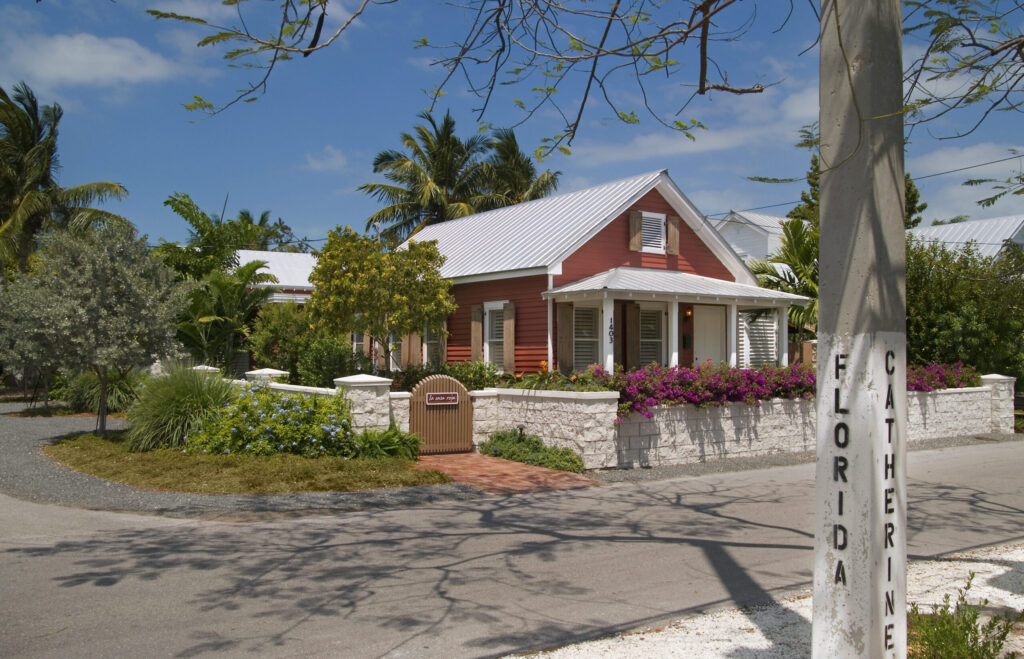
Key West is full of beautiful homes—and plenty of expensive mistakes disguised as “charm.”
If you’re buying here, aesthetics matter, but performance matters more. Salt, sun, wind, humidity, and time are unforgiving. Some details earn their keep. Others photograph well.
Here’s the straight talk.
Which architectural details actually matter?
1. Roof Type and Pitch
This is not negotiable.
Metal roofs with proper pitch and fastening systems win in Key West. They shed heat, resist wind uplift, last longer, and handle salt air better than most alternatives.
What matters:
- Standing seam or high-quality metal
- Correct pitch for drainage
- Proper fastening (not shortcuts)
A pretty roof that fails early is not charming. It’s expensive.
2. Elevation (And What’s Under the House)
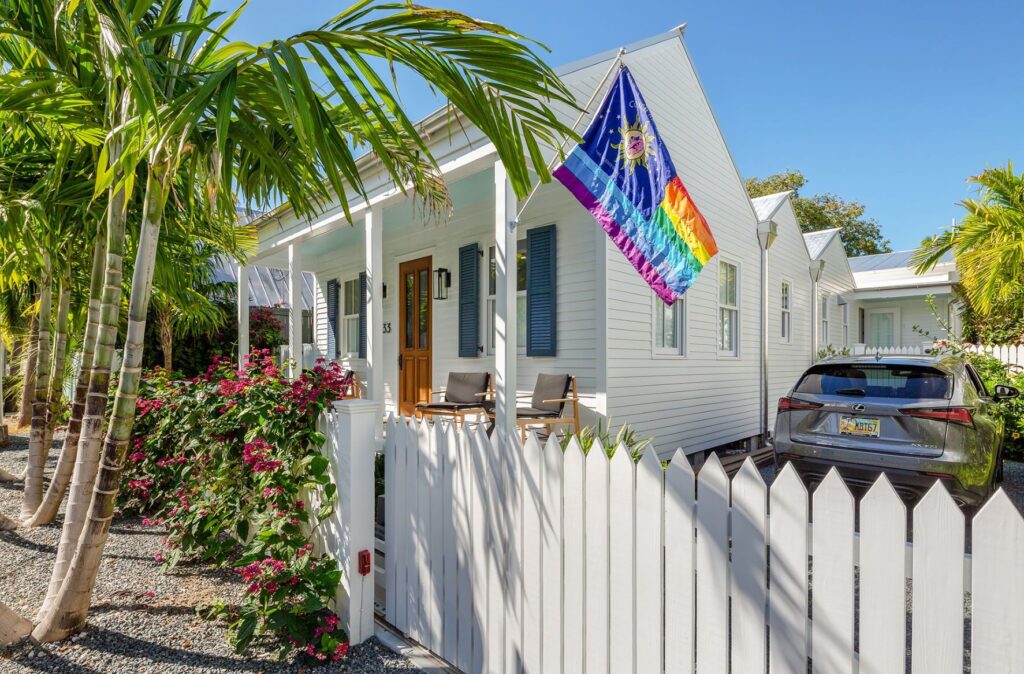
Elevation isn’t just about flood insurance. It’s about airflow, durability, and future flexibility.
Homes that are elevated:
- Stay cooler
- Handle stormwater better
- Offer usable space below (garage, storage, guest suite)
- Age better in this climate
Slab-on-grade can work, but it needs to be done thoughtfully—and many aren’t.
3. Shutters That Actually Function
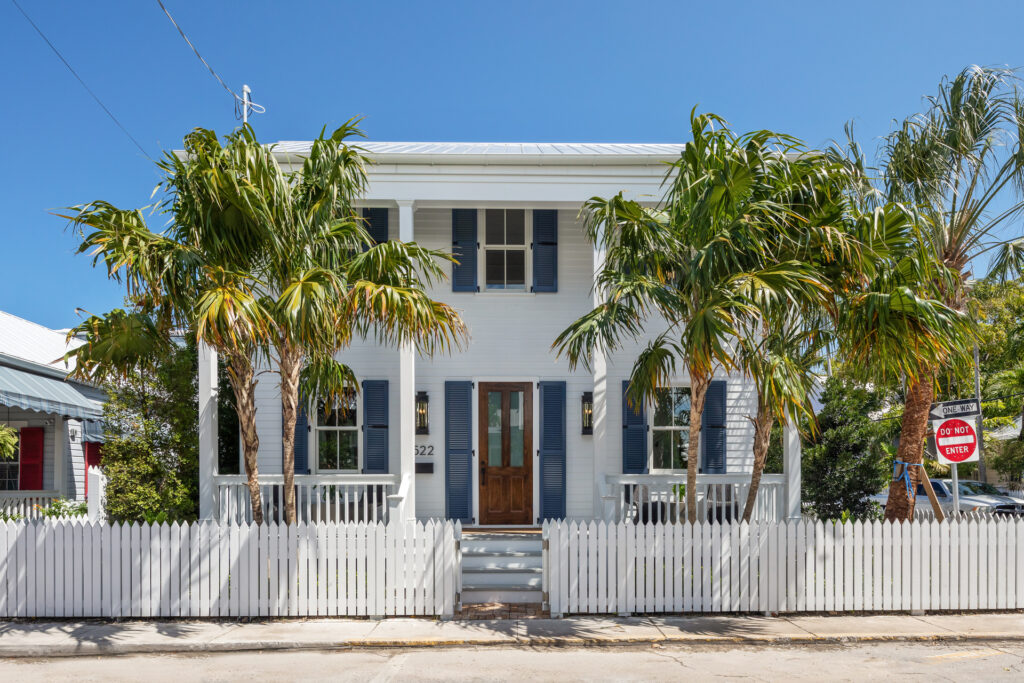
Real shutters matter. Decorative ones don’t.
Functional shutters:
- Protect glass during storms
- Reduce heat and sun exposure
- Add real resale value
- Save you stress during hurricane prep
Accordion, Bahama, or properly designed traditional shutters—pick one that works. Fake shutters are just wall jewelry.
4. Porches That Are Designed to Be Used
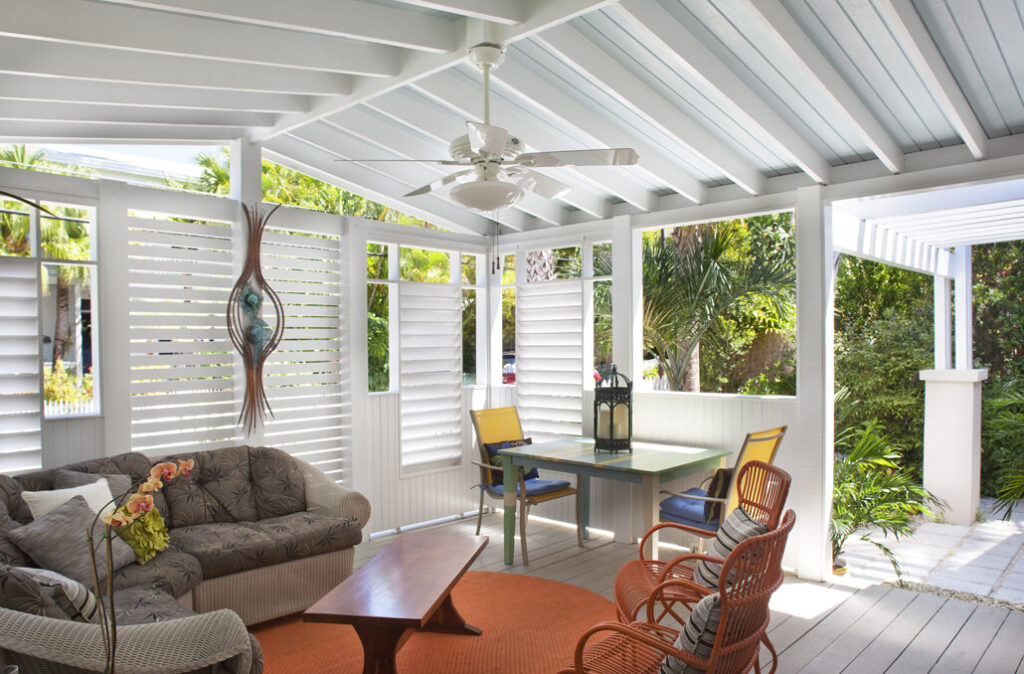
A porch in Key West isn’t optional—it’s an extension of the living space.
The good ones:
- Are deep enough to sit comfortably
- Have shade at the correct times of day
- Catch breezes instead of blocking them
- Connect to how you actually live
A shallow porch looks fine in photos and sits empty in real life.
5. Window and Door Quality (Not Just Impact Rating)
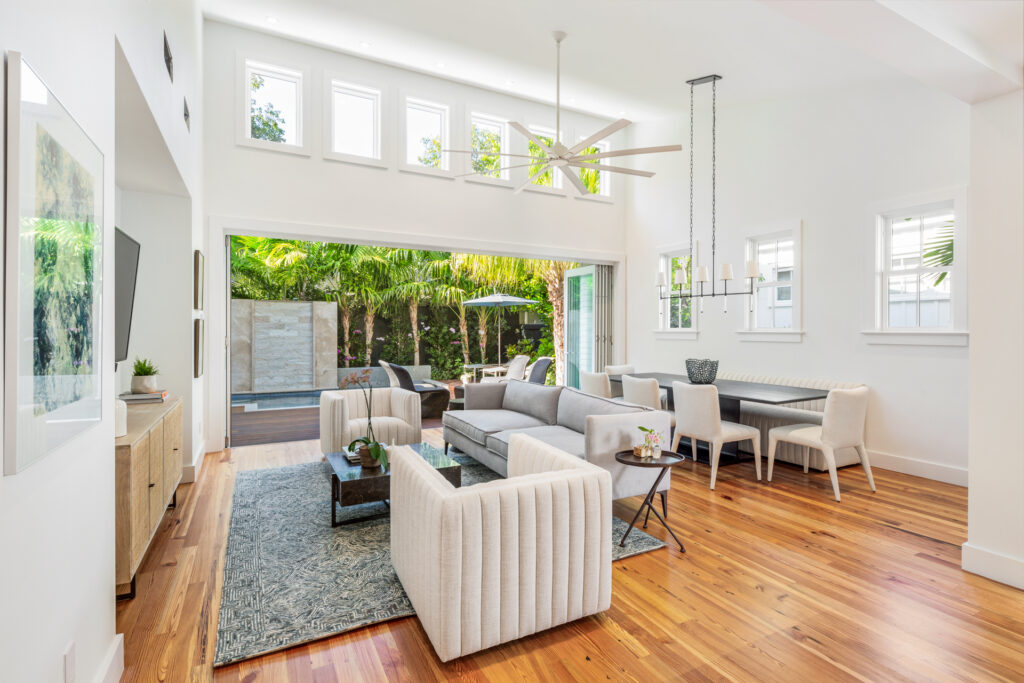
Yes, impact-rated glass matters—but so does installation and design.
Look for:
- Proper flashing and sealing
- Materials that handle salt air
- Doors that don’t swell or warp
- Windows positioned for cross-ventilation
Bad installs fail quietly and expensively.
Which ones don’t matter as much?
1. Over-the-Top Trim and Gingerbread
Ornate trim is charming—until it needs constant maintenance.
In this climate:
- It rots
- It peels
- It becomes a recurring expense
Simple, well-executed details outperform fussy ones every time.
2. Trend-Driven Interior Finishes
Shiplap everywhere. Ultra-trendy tile. Statement lighting that screams “2023.”
Interior finishes are easy to change. Layout, structure, and performance are not. Don’t overpay for style that will date quickly.
3. “Authentic” Details That Aren’t Actually Original
Reproduced historic elements can be lovely—but buyers often overvalue them.
What matters more:
- Build quality
- Mechanical systems
- Structural integrity
- How the house lives day to day
A house doesn’t need to pretend it’s 100 years old to be a great Key West home.
The Bottom Line
In Key West, the best homes aren’t the loudest or the most decorative.
They’re the ones that quietly work—year after year, storm after storm, season after season.
Buy the bones. Buy the function. Buy the details that respect the climate.
Everything else is negotiable.
I’m Rich Patten — and this is real estate guided by lifestyle.